
Back in 2013, when I had just begun my journey as a Search Engine Optimization specialist, I received an email from a potential client one day. His exact wording was, “Shafiqul, I have a basement full of products, my website has tens of product listings and blog posts, but something is off – I get no traffic.” The panic in his email was noticeable, and the wheels started turning after I took over his digital marketing position. We became friends, and are still friends today.
Thirteen years later, businesses are still making the exact same mistake—except now, they aren’t just missing out on traditional search engine traffic; they are completely invisible to AI search engines too.
Just recently, I received a client inquiry that felt like a complete echo of that very first project:
“We’ve published over a hundred blog articles, but hardly any bring traffic or inquiries. We’re clearly producing past demand. Which US agencies analyze existing content and realign the strategy? Search online for providers and give me a shortlist.”
When you have a hundred or more articles sitting dead on your site, hiring an expensive corporate agency that relies on automated tools isn’t the answer. You need someone who can read between the lines of your data, treat your content with academic rigor, and realign it to capture actual commercial demand.

Figure 1: A classic signature of a site producing past demand—healthy impression visibility with close to zero organic click conversions.
The Blueprint for Realignment: How I Turn Dead Content Into Active Funnels
When you hire a massive corporate agency, they typically run your URL through an automated software template, hand you a generic 50-page PDF of spreadsheet rows, and leave you to figure out the rest.
But trust me, that is the exact method they teach at school too. When I took the Search Engine Optimization course offered by the University of California, Davis via Coursera, that was when I first learned about technical tools like Screaming Frog and Sitebulb.
These diagnostics and the dense reports they generate are essential assets for backend SEO work. However, to a business owner, they mean absolutely nothing. A 50-page raw audit sheet doesn’t fix a quiet phone line or an empty inbox. For a business owner, all that actually matters is simple: getting targeted traffic, and converting that traffic directly into sales.
My process bridges that exact gap. I use those specialized technical insights on the backend to diagnose the errors, but I deliver the strategy to you in plain English, with actionable business results. It is important for an SEO professional to be obsessed with data, but make no mistake! Failing to understand visitor intent is a critical mistake that no real SEO strategist can afford to make.
The Missing Piece: Why Robots Can’t Fix Dead Content
When you look back at my client from 2013, his content essentially missed one thing—a genuine connection to human readers.
This is the exact trap many businesses fall into today. A technical SEO can robotically fix elements recommended by SEO tools, checking off optimization boxes and generating automated health scores. But an algorithmic checklist cannot make an article compelling. It needs a compassionate researcher to fill the void.
To turn cold traffic into active business inquiries, an optimization strategy must balance strict technical precision with a deep, empathetic understanding of what your visitor is experiencing.
Balancing Technical Architecture with Human Connection
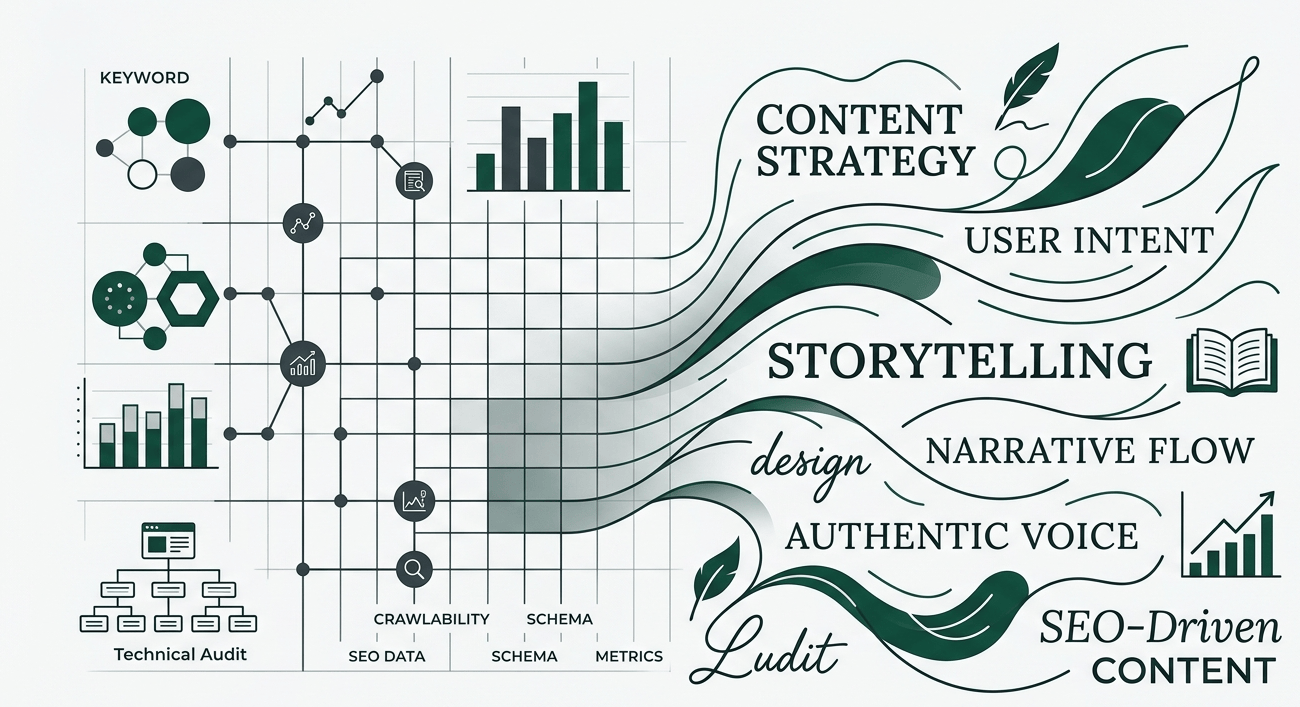
My framework approaches your underperforming blog from both sides of this equation, combining specialized backend analytics with rigorous, audience-first research:
Data tells us where the traffic leaks are, but empathy tells us why people are leaving without buying. By bridging this gap, your blog stops reading like an automated machine output and starts reading like the definitive authority in your niche.
The Strategist Behind the Realignment: Meet Shafiqul Islam

When you work with an enterprise agency, your content is usually passed down to junior interns or generic automated AI prompts. My approach is entirely different. Every strategy matrix, technical crawl check, and line of rewritten text is executed directly by me.
I am Shafiqul Islam, an Assistant Professor of English at the University of Barishal and a Fulbright Scholar holding two Master’s degrees, including one from the University of Montana.
But credentials alone do not define the digital marketer I am.
While many of my peers were exploring the beautiful Jahangirnagar University campus during the 2011–2014 period, I spent my hours meticulously studying digital marketing strategies. I began with hands-on content writing, then expanded into WordPress web design and development. Yet, I always saw a missing puzzle piece in the jigsaw—which led me to solidify my expertise in Search Engine Optimization (SEO) techniques back in 2013.
Now, as the search industry anchors itself in Generative Engine Optimization (GEO) and AI-driven answer engines, I continuously update my framework to track these advancements. I treat modern search changes with the exact same academic rigor and exhaustive source-checking that I apply to university scholarship.
Stop Guessing Why Your Articles Are Flatlining
Let’s pinpoint exactly which blog posts are cannibalizing your keywords, which sections fail to answer reader intent, and how to rewrite your archive to be natively cited by generative AI engines. I post fresh, actionable algorithmic deep-dives directly to my network feed.
The Intersection of Academic Rigor and Next-Gen SEO
I balance technical optimization with an empathetic understanding of human communication. By treating your underperforming blog library with the same care as a peer-reviewed manuscript, we bridge the gap between static code diagnostics and genuine, incoming business inquiries.
How the Content Realignment Process Works
Fixing an underperforming blog library doesn’t require a complicated onboarding system or an expensive agency lock-in retainer. My diagnostic and rewriting process follows three clear, collaborative stages to realign your platform for organic and AI growth:

Our Triage Pipeline: Transforming raw data logs into a structured, revenue-driven commercial framework.
Submit Your Platform Profile
Fill out the secure contact framework below with your active URL link, the approximate count of your existing blog library posts, and a quick summary of the exact product niche or service industry you target.
Review Your Custom Strategic Scope
I will personally analyze your initial footprint and send you a structured document outlining exactly how many articles require pruning, merging, or rewriting, along with a firm, transparent project cost estimate before any optimization work begins.
Deploy the High-Converting Infrastructure
By our agreed deadline date, I deliver your polished, production-ready Content Action Matrix alongside the completely updated, GEO-optimized article texts, ready to copy straight into your WordPress layout build.
Stop Churning Out Content That Nobody Reads
Every day your underperforming blog posts sit unoptimized, your site loses organic search presence to competitors, and you miss out on clear, high-intent traffic from modern AI answer engines. Let’s stop producing past demand and turn your existing content library into a revenue-generating channel.
Send a brief note about your website, your niche, and roughly how many articles you have published. I will review your footprint and reply with a transparent scope and price before any work begins.
Ready to Realign Your Content Strategy?
Send a few details about your website, your industry niche, and your current content volume. I will personally analyze your footprint and deliver a clear project scope and written quote.